When it comes to the United Arab Emirates, most people immediately think of ultra-modern megacities, architectural records, and symbols of luxury that have become the region’s calling card. However, behind the facade of glass and concrete lies a far more ancient and unexpected history. The UAE is not only a country of the future, but also a territory where human civilization has been taking shape for millennia, leaving behind unique cultural and natural monuments.
Long before skyscrapers appeared, trade routes ran through here, agriculture and seafaring developed, and religious and social centers emerged. It is these traces of the past that UNESCO protects today as part of humanity’s world heritage. In the UAE, such sites are not frozen in time — they continue to exist alongside modern cities, creating a rare balance between history and rapid development.
UNESCO World Heritage sites in the Emirates make it possible to see the country from a different angle and understand why this region has always been an important point on the world map. From ancient oases and Bronze Age tombs to iconic religious structures and unique natural landscapes, each of these places opens a new chapter of history that cannot be read if you limit yourself only to modern attractions. UNESCO sites in the UAE today are becoming points of attraction for tourists, researchers, and those who want to understand the region’s history more deeply.
Al Ain Oasis — the heart of ancient life in the desert
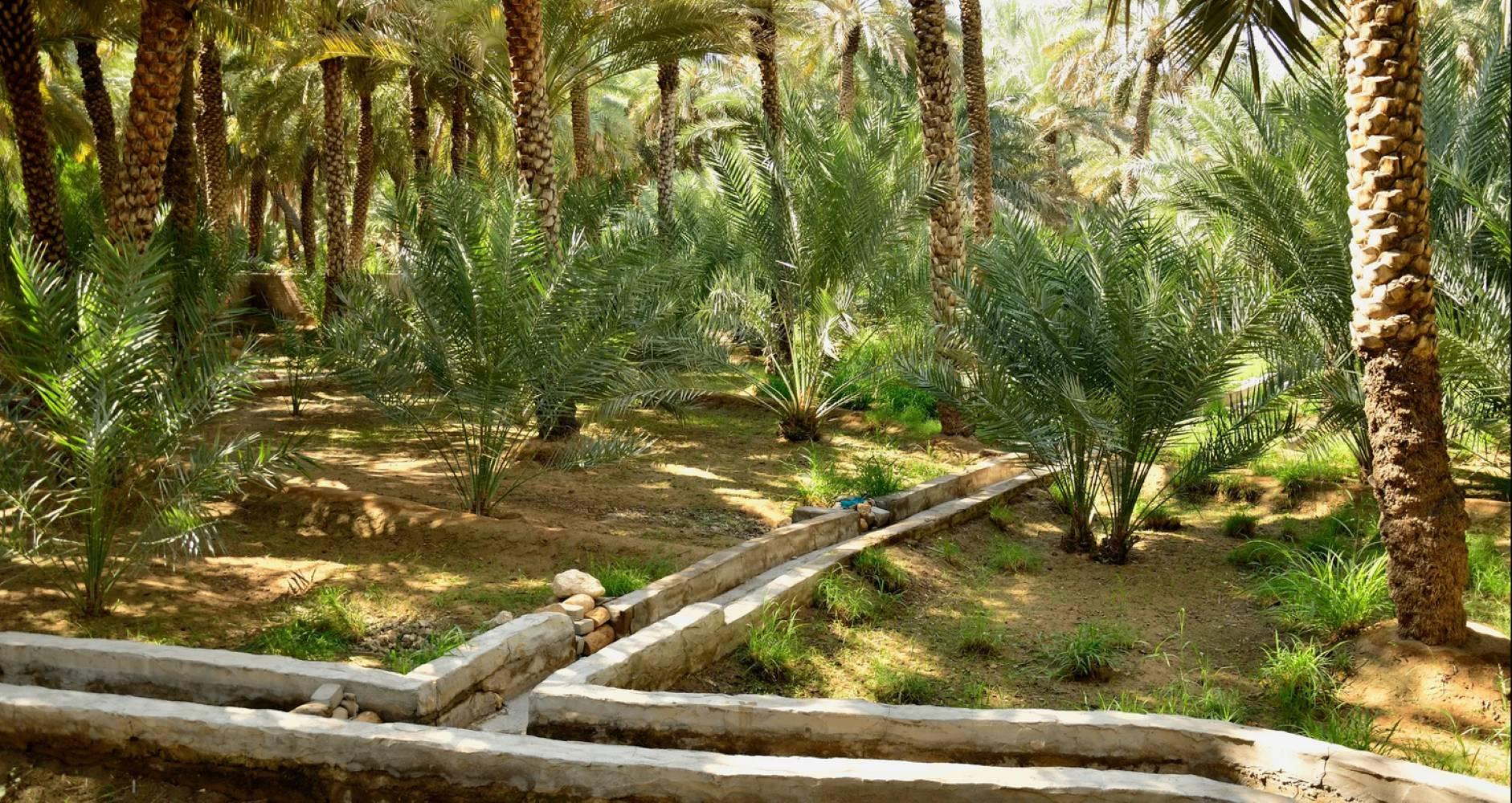
Al Ain Oasis is rightly considered one of the most impressive UNESCO World Heritage sites in the UAE. Its age is estimated at about 4,000 years. It is located in the very center of the Rub’ al Khali desert region. Against the backdrop of an arid climate, this oasis looks like a true miracle of nature and human engineering.
Across an area of more than three thousand acres, over 147,000 date palms grow, and the ancient falaj system of underground channels still ensures efficient water distribution. A walk along the shady alleys creates the feeling of a tropical garden, making Al Ain a unique example of sustainable agriculture in desert conditions. According to local legends, this is where Sheikh Zayed bin Sultan Al Nahyan — the founder of the UAE — was born, which gives the place special national significance.
Today, the oasis has been adapted for visitors while remaining a UNESCO-protected area. It is located next to the Al Ain Palace Museum and remains one of the most visited historical sites in the country.
Hili Archaeological Park — evidence of a Bronze Age civilization
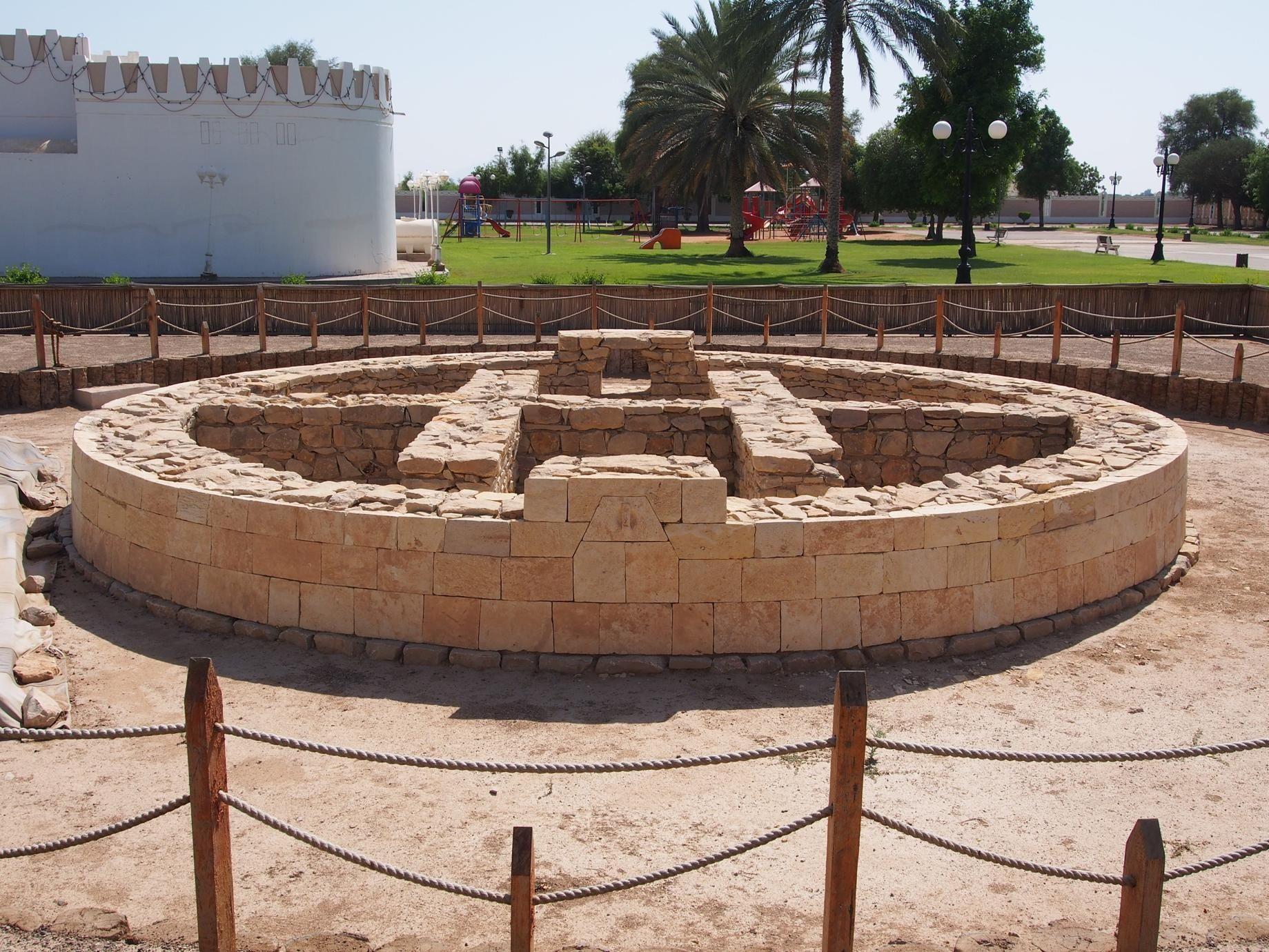
Not far from Al Ain, about 10 km from the city, lies Hili Archaeological Park — another key UNESCO heritage site in the UAE. Its history goes back to the Umm an-Nar period, between 2500 and 2000 BCE, when developed settlements with agriculture and crafts existed on the territory of today’s Emirates.
The park combines the functions of a historical complex and a public space. Ancient settlements, irrigation systems, and unique tombs have been discovered here, including the Great Tomb about 12 m high. Stone reliefs depicting people and animals indicate a complex social structure and cultural traditions of that time.
Hili shows that the territory of the UAE was inhabited and actively developing more than 5,000 years ago, which breaks the stereotype of the country’s “young” history.
Dubai Creek — the cradle of trade and urban development
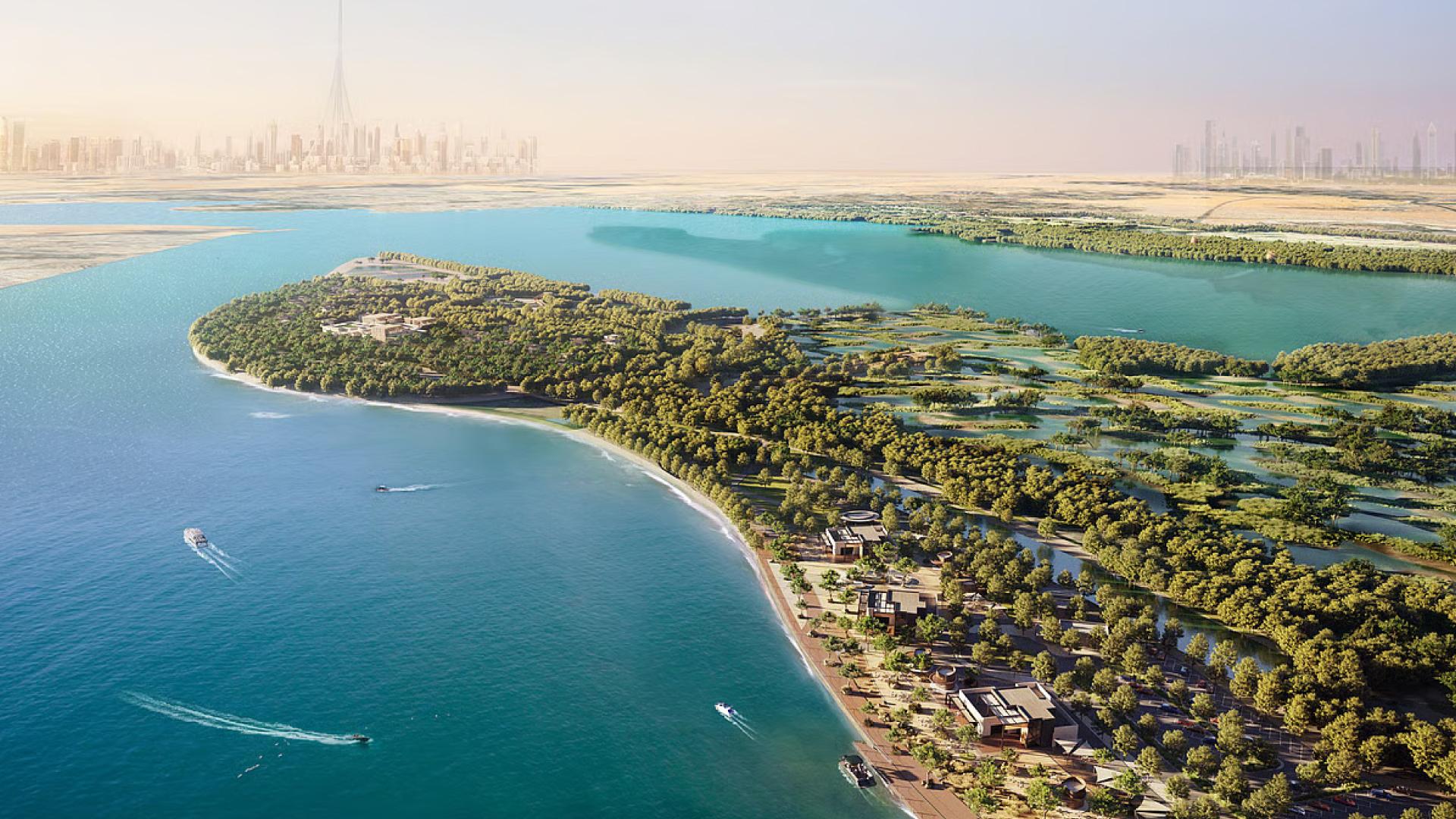
Dubai Creek is a natural seawater inlet that separates the districts of Bur Dubai and Deira. This waterway became the foundation for the development of trade, fishing, and seafaring long before the oil era.
Archaeological finds in the Al Baydah Bay area indicate the presence of various cultures here — from the Stone Age to the pre-Islamic period. Dubai Creek played a key role in shaping the city as a trading center of the Persian Gulf, and today it remains a symbol of Dubai’s historical continuity, where traditional dhows coexist with modern skyscrapers.
Sharjah — the gateway to the Trucial States
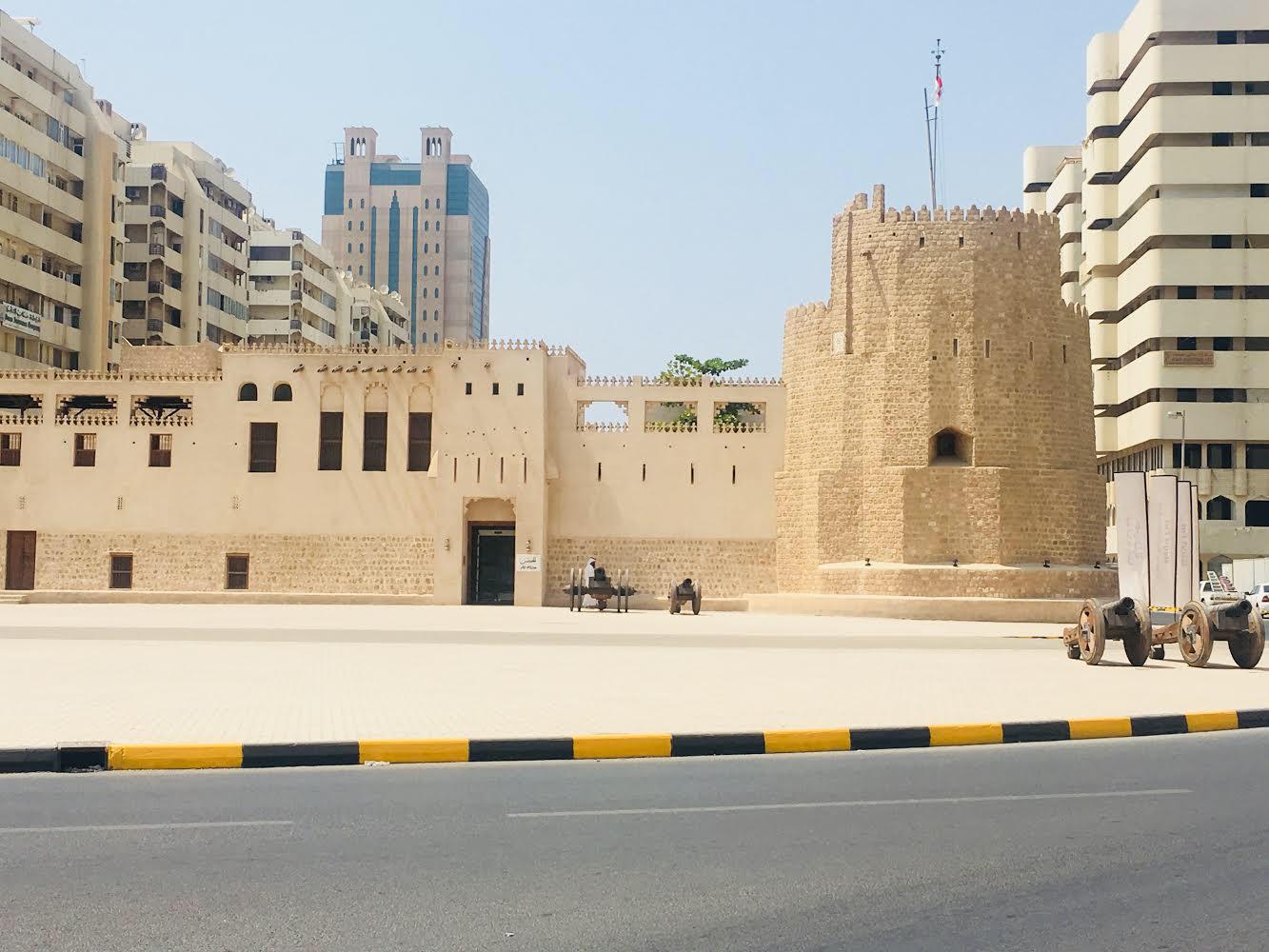
Sharjah holds a special place among the UAE’s cultural heritage sites. In the past it was known as the “gateway to the Trucial States” and played a crucial role in trade, especially in the region’s pearl industry. Archaeological and written sources confirm the existence of settlements in this area for thousands of years.
Some researchers believe that it was through the territory of modern Sharjah that Homo sapiens began their movement from the Eastern Mediterranean about 125,000 years ago. The city is mentioned in the works of medieval geographers, including Al-Idrisi in the 11th century. Today, Sharjah actively invests in preserving its historic built environment, demonstrating how ancient cities can develop without losing their identity.
Jebel Hafeet tombs — the beginning of the Bronze Age in the UAE
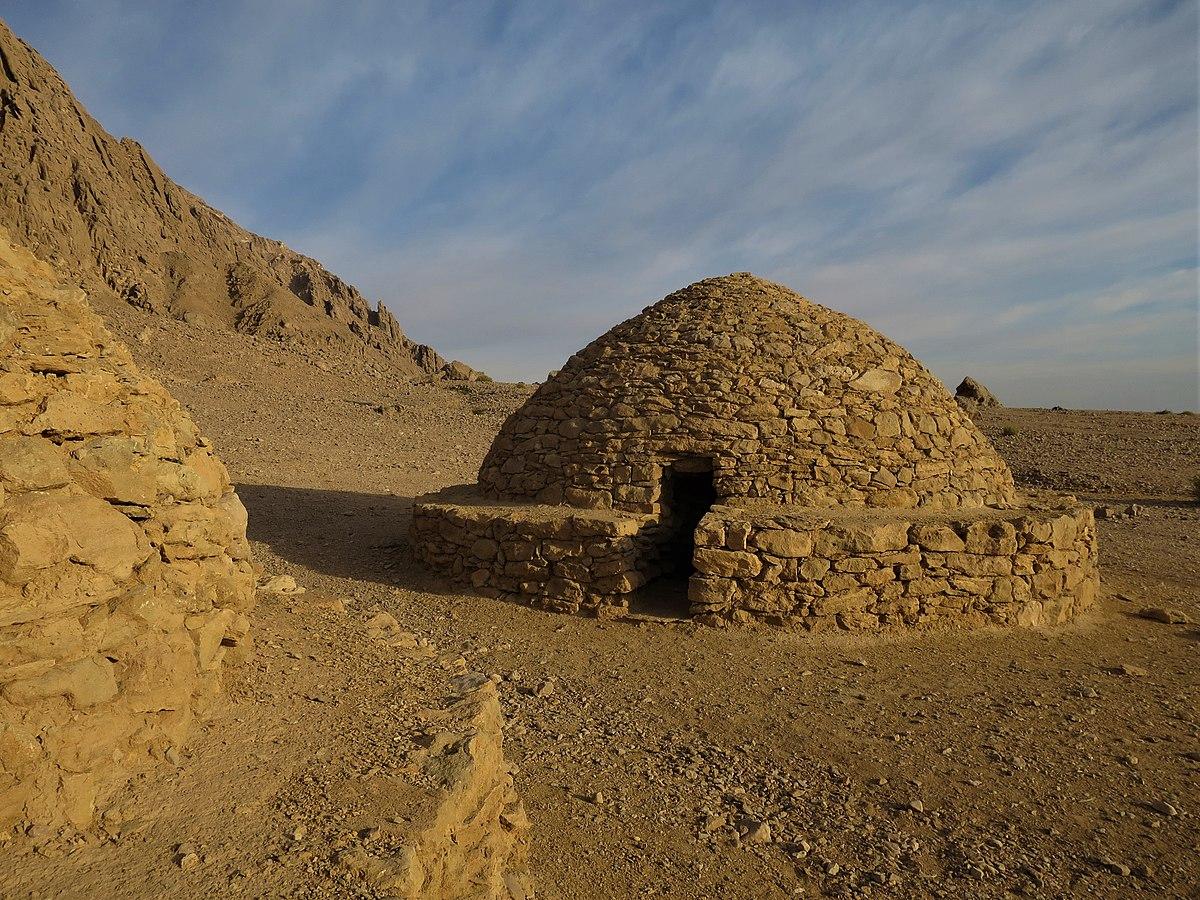
At the foot of Jebel Hafeet mountain lie unique Bronze Age tombs more than 5,000 years old. These stone beehive-shaped structures are considered among the earliest evidence of organized communities on the territory of the Emirates.
Archaeological finds, including copper objects, confirm the existence of a developed civilization here with trade connections. Although the tombs themselves are closed to visitors, the panoramic views of the Jebel Hafeet mountain range allow you to imagine the scale and significance of this historical landscape.
Abu Dhabi sabkha — a natural archive of the planet
The coastal sabkha south of Abu Dhabi is a salt-flat plain with exceptional scientific value. These natural formations are considered among the most fully preserved and studied in the world, making the sabkha a unique geological record.
For scientists, the sabkha serves as a source of information about climate change, landscape formation, and the evolution of ecosystems. This site highlights that UNESCO heritage in the UAE includes not only cultural but also natural monuments of global significance.
Al Bidya Mosque — the living history of Islam in the Emirates
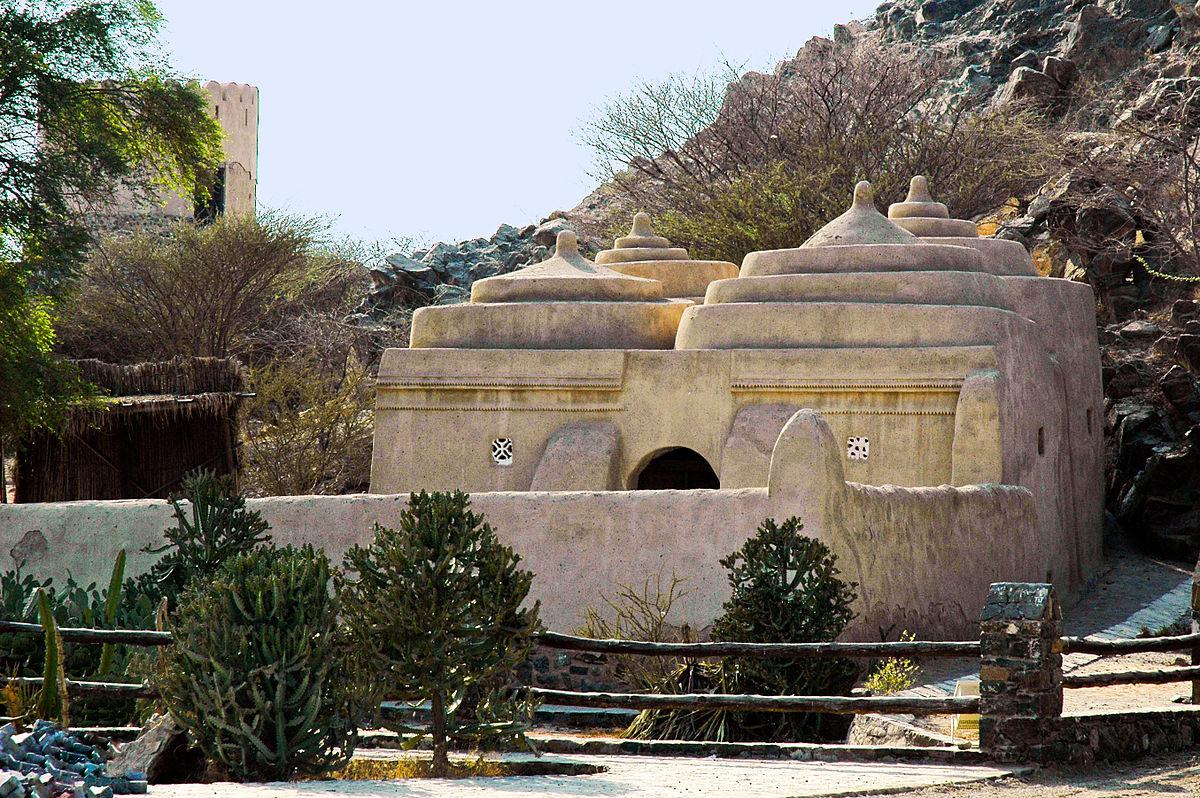
Al Bidya Mosque in the emirate of Fujairah is considered the oldest functioning mosque in the UAE. It is already included on UNESCO’s tentative list of World Heritage sites and is regarded as a strong candidate for official status.
The small building with its unique architecture and domed structure continues to be used for its intended purpose, making it a rare example of living religious heritage. The mosque not only reflects the region’s early Islamic architecture, but also demonstrates the continuity of spiritual traditions.
UNESCO World Heritage sites in the UAE form an alternative image of the country that goes beyond luxury and modern records. They enhance tourist appeal, support sustainable development, and help preserve cultural identity in the context of globalization.
Today, the Emirates actively invest in protecting historical areas, integrating them into educational and tourism programs. This makes heritage not a museum exhibit, but part of everyday life, linking the country’s past, present, and future. The UAE proves that even in one of the most dynamically developing regions of the world, it is possible to carefully preserve a history that spans thousands of years and share it with the whole world.