The United Arab Emirates has long outgrown its reputation as merely a tourist gem of the Middle East. Today, it is a fully developed global financial and technological hub attracting intellectual and financial resources from all over the world. Unique business conditions, liberal tax legislation, and political stability have made the country an ideal destination for foreign investment.
Foreign capital is present here literally everywhere — from agriculture to cutting-edge blockchain technologies. In this article, we have gathered the five most promising sectors in Dubai that are expected to actively develop in 2026. If you are looking for where to invest your capital in order to achieve stable income and long-term growth, this overview is for you.
Tourism Industry
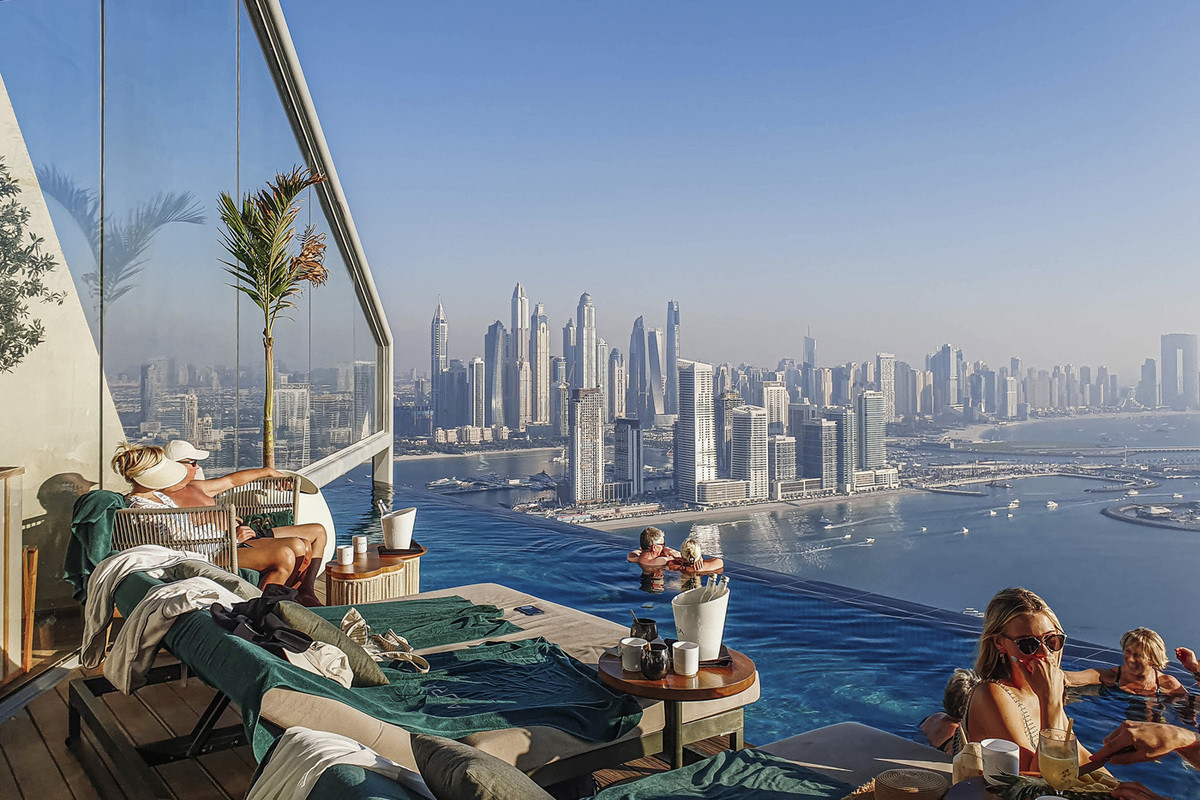
Dubai’s tourism sector, after the temporary slowdown caused by the COVID-19 pandemic, is experiencing a true renaissance. The city is once again welcoming visitors from every continent, offering an excellent balance between service quality and affordability. One of the emirate’s unique advantages is that the summer season here lasts all year round, while the rainy season is virtually nonexistent. This gives Dubai a strong advantage over many other tourist destinations. During the first nine months of 2026, the emirate welcomed 13.3 million tourists, which is 7% more than during the same period a year earlier. Analysts predict that tourist flows will continue growing in 2026 thanks to the expansion of hotel infrastructure and the active promotion of Dubai as a year-round resort destination.
Luxury hotels have become one of the most important elements of the UAE tourism industry. In 2025, revenues from the premium segment accounted for more than half of the country’s total hospitality turnover. More than 130 new properties are planned to open in the coming years, most of them five-star developments. A vivid example is The Heart of Europe resort — a large-scale project built on artificial islands in the open sea. In addition to its climate and premium hotels, Dubai is actively developing its gastronomic culture. The city is seeing the emergence of world-class restaurants with signature cuisine, gradually turning the emirate into an important destination on the global culinary map.
Particular attention should also be paid to the short-term rental segment through platforms such as Airbnb. For private investors, this provides an opportunity to enter the tourism business with a relatively low entry threshold. Returns from short-term rentals in popular areas of Dubai can reach 8–10% annually, especially during the high season, which lasts from November to April. It is also worth noting that mortgages are available to foreigners in Dubai, including Russian citizens. If you are planning to launch your own business in the tourism industry in 2026, this is a very realistic goal. The key is to work with qualified immigration lawyers who can help properly prepare the documents and quickly complete all approvals with government authorities.
Online and Offline Retail
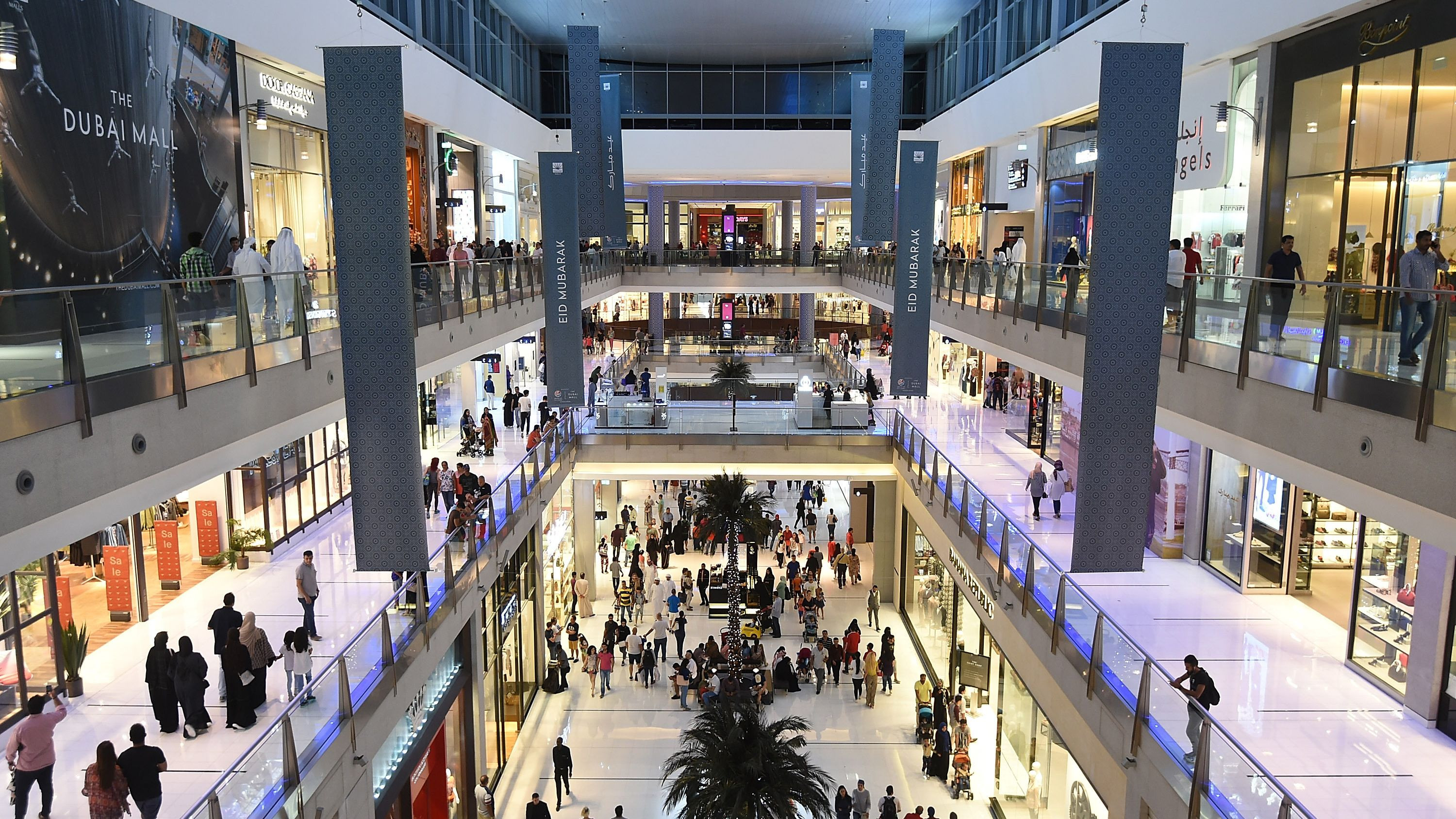
The retail market in the UAE is undergoing structural changes, with the online segment becoming the main driver of growth. According to the latest 2026 data, the UAE e-commerce market is estimated at between $9.2 billion and $12.3 billion, depending on the methodology used. Forecasts for 2031 predict figures reaching as high as $21.01 billion. Annual growth over the next few years is expected to average around 12%. Such rapid development is linked to changes in consumer habits following the pandemic. As in many countries around the world, UAE residents were forced to adapt to online platforms, and after restrictions were lifted, online shopping became the new normal.
Operating an online retail business in Dubai is profitable not only because of low taxes. Legislative reforms are also creating sustainable interest among foreign investors in this sector. The Dubai Cashless Strategy aims to increase the share of cashless transactions to 90% by the end of 2026. According to Visa’s 2026 report, 68% of consumers in the UAE hardly use cash anymore, preferring cards and mobile devices instead. The overall share of cashless transactions has already reached 80%. This indicates that the market has entered a stage where digital payment is expected by default.
Traditional retail in the UAE also continues to demonstrate stability. In 2024, the sector was valued at $58 billion, and by 2027 it is expected to grow to $70 billion. The increasing flow of tourists, especially in Dubai, continues to stimulate consumer spending. At the same time, experts note a shift in investor interest away from large shopping malls toward smaller neighborhood retail centers within residential communities, where traffic is generated by local residents rather than tourists. The current dynamics show that e-commerce accounts for around 12.6% of total retail turnover in the UAE. For comparison, this figure reaches 28.6% in the United Kingdom, while the global average stands at 21.1%. This means the UAE still has enormous growth potential.
Blockchain and Artificial Intelligence
The UAE is gradually but confidently transforming into the Middle Eastern equivalent of Silicon Valley. Thanks to liberal legislation, the country has secured a central role in the global cryptocurrency market. Today, 9.2% of global transactions in this sector pass through the Emirates. Regulatory measures adopted in 2023 enabled the creation of 1,800 organizations that generated more than 8,500 jobs. Alongside Dubai, Abu Dhabi is also actively attracting international cryptocurrency companies, supported by Abu Dhabi Global Market and Dubai’s Virtual Assets Regulatory Authority (VARA). These government-level initiatives build trust among investors from all over the world.
Artificial intelligence has become a key development direction for the UAE, officially enshrined in the National Artificial Intelligence Strategy 2031. Dubai authorities confirm the seriousness of their ambitions with numbers: the approved budget for 2026–2028 totals $824 billion in expenditures, with a significant portion allocated to strategic investments in space exploration, digital transformation, and AI. In 2026 alone, budget expenditures will amount to $271 billion.
One of the most striking infrastructure projects is Zabeel — the expansion of the Dubai International Financial Centre (DIFC). Authorities are investing more than €22.7 billion into creating a new district spanning 17.7 million m2. Zabeel will include around 4,000 new apartments, office space occupying 44% of the territory, as well as an AI campus, a startup center, and a financial education academy capable of serving 50,000 students annually. The first facilities are expected to open in 2030, but the positive impact on the investment climate is already being felt today.
The development of futuristic initiatives such as Smart Dubai implies the widespread implementation of autonomous transport technologies. Artificial intelligence is already actively used in analytics, finance, and logistics. Considering the scale of government initiatives, Dubai in 2026 remains the ideal city for investing in startups or launching your own company in fintech, smart contracts, AI in healthcare, or logistics. According to eToro data, UAE investors in the first quarter of 2026 significantly increased their investments in AI infrastructure and software companies such as ServiceNow, Super Micro Computer, Adobe, and Oracle.

Construction Industry and Real Estate
Dubai’s construction industry occupies a special place in investor analytical reports. The emirate attracts wealthy individuals from all over the world who are ready to invest money but do not want to personally manage business operations. For this purpose, the government created the Golden Visa program for investments starting from 2 million dirhams (approximately $545,000 USD), as well as a more affordable two-year residency visa starting from 750,000 dirhams. This simple yet effective incentive system has been operating successfully for several years. The country has experienced an influx of investors — mainly from India and the United Kingdom — who are actively purchasing residential real estate.
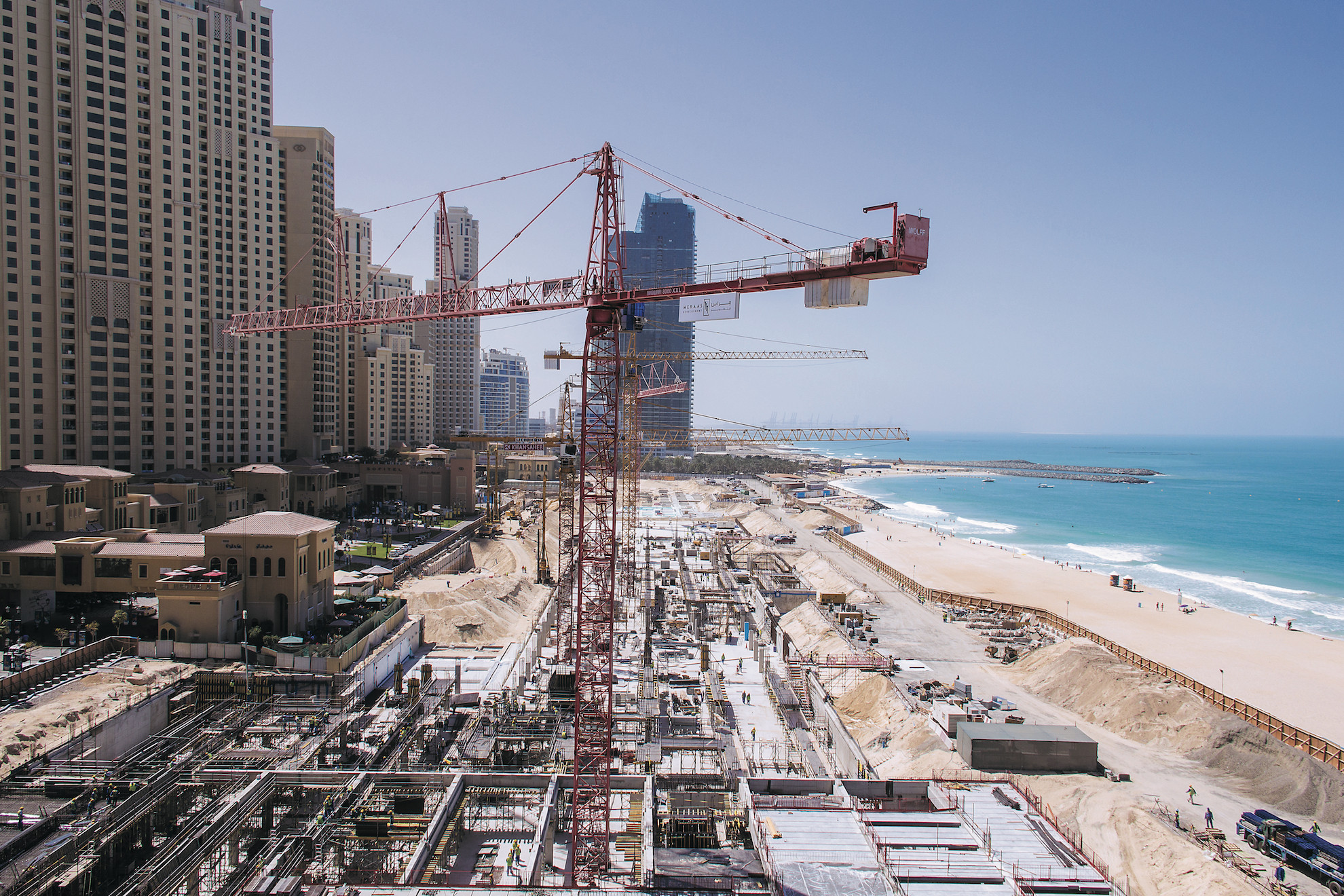
Strong demand continues to stimulate the launch of new projects. The construction market reached $41 billion in 2024, and the sector is expected to grow to $50 billion by 2029. The active implementation of technologies such as robotics and artificial intelligence improves the efficiency of construction processes and makes the UAE market increasingly attractive to foreign investors. According to ValuStrat’s 2026 data, Dubai’s economy is expected to grow by approximately 5%, driven primarily by non-oil sectors such as real estate, tourism, construction, financial services, and logistics.
As for housing prices, analysts forecast capital growth of around 10% in 2026 following the extremely active 2025 period (+19.8%). This signals a transition toward a more stable growth phase. Villas and townhouses are expected to appreciate faster than apartments: +17.7% versus +7.4% respectively. Popular districts for purchasing new developments in the first quarter of 2026 include Dubai South, Wadi Al Safa, Al Barsha South Fourth, Dubai Islands, and Dubai Investment Park. At the same time, Class A office spaces in Dubai have reached 95.5% occupancy, while rental rates for premium office properties have increased.
Logistics
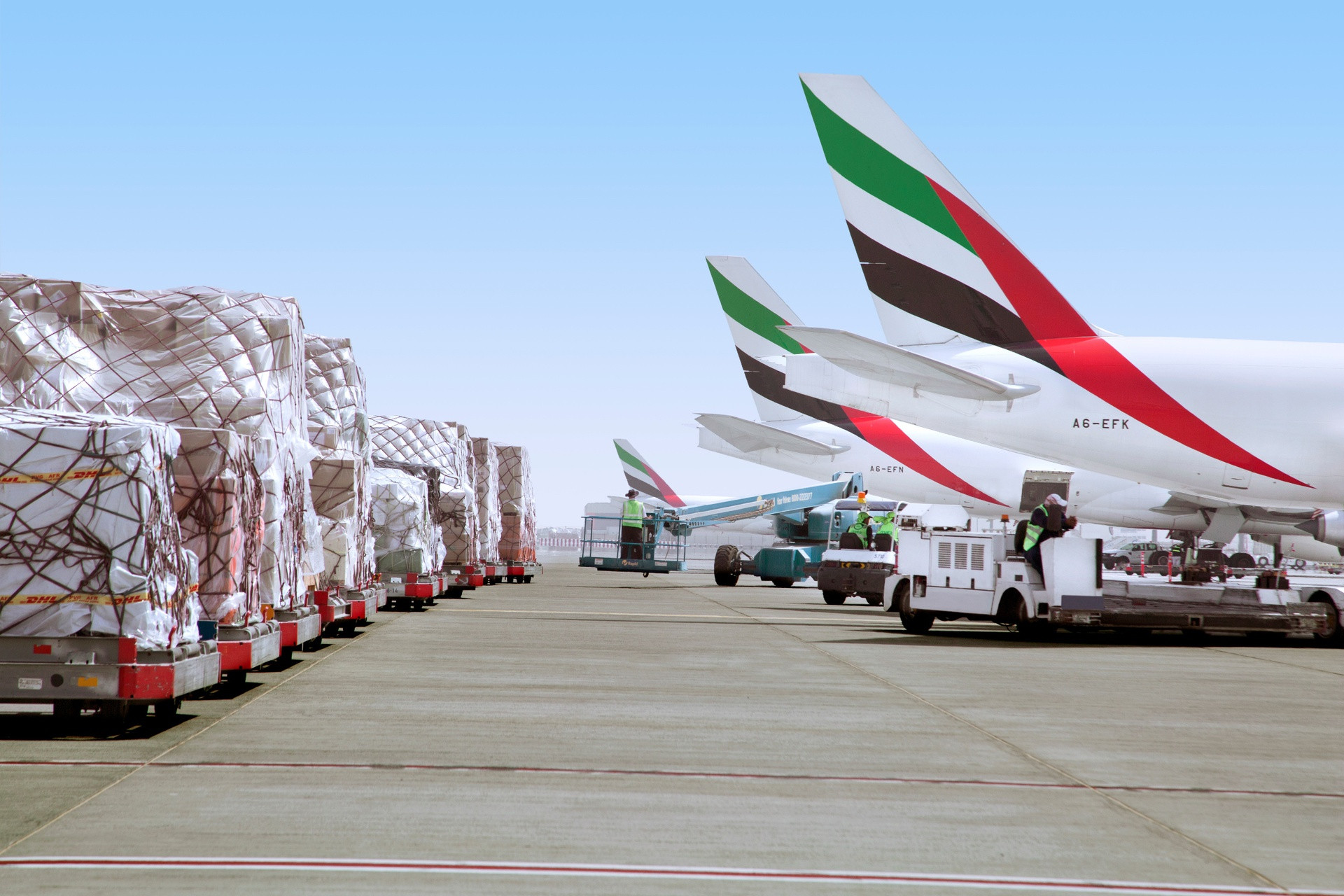
Dubai occupies an exceptionally strategic position on the world map. Both maritime trade routes from Asia to Western Europe and global aviation routes pass through the emirate. Its aviation logistics hub connects shipping and destination points on a global scale — from Russia and South Africa to the United States and Japan. Dubai’s location allows businesses to reach more than two-thirds of the world’s population within approximately eight hours of flight time.
The UAE logistics market has already reached $169 billion, accounting for 14% of the country’s GDP. In the future, average annual growth rates of 6.1% are expected. Such dynamics are driven not only by Dubai’s advantageous position as a key shipping hub. The active adoption of artificial intelligence and blockchain technology, the rapid growth of e-commerce, and the ability to conduct international trade through free economic zones all contribute to the stable development of the logistics sector.
In 2026, investors are showing particular interest in warehouse and logistics assets, as well as fulfillment centers. Demand for such facilities remains high due to the expansion of online commerce and increasing import volumes. Key logistics hubs continue to include Dubai Investment Park, Dubai Industrial City, National Industrial Park, and Al Quoz. Improved infrastructure and proximity to rapidly growing residential districts are contributing to the decentralization of logistics capacities, opening up new opportunities for investors.
Final Thoughts: How to Act in 2026
Establishing your own company in the UAE is much more than simply a way to diversify an investment portfolio. By investing money into a startup or large business, a foreign investor gains the opportunity to obtain residency in Dubai and access international markets. The emirate’s investment climate supports the development not only of traditional sectors such as hospitality and retail, but also of advanced companies shaping the future of artificial intelligence and blockchain.
It is important to understand that UAE legislation and bureaucratic procedures are specifically optimized to attract foreign capital. At the same time, investors should keep several key points in mind. First, Dubai’s real estate market is entering a stabilization phase: prices are expected to continue rising, but at a more moderate pace, creating favorable conditions for long-term strategic investments. Second, the technology and AI sectors are receiving active government support — budget investments in these areas amount to tens of billions of dollars. Third, tourism and retail remain reliable sectors with clear business models and predictable cash flow.
However, it can be difficult for foreign investors to independently navigate all the complexities of local legislation. That is why the key factor for success is finding qualified immigration lawyers and consultants who can provide full support throughout every stage of company registration or property acquisition in the UAE. Only a professional approach will help investors obtain accurate information regarding documents, government fees, and application procedures while avoiding the common mistakes made by newcomers. The year 2026 promises to be highly favorable for those who are prepared to act strategically and rely on expert guidance.