Dubai today is often described as a city of the future. Skyscrapers, gold, cutting-edge technology, and seemingly limitless luxury define its image. Many foreigners arrive assuming that because the emirate thrives on tourism and international investment, its laws must be relaxed toward visitors. That assumption can be a costly mistake.
In reality, Dubai operates on the principle that hospitality does not mean unlimited freedom. The authorities of the United Arab Emirates strictly enforce the law, making no exceptions for millionaires, celebrities, or ordinary tourists. To ensure your visit—or your life in Dubai—does not turn into a nightmare, it is essential to understand some of the emirate’s less obvious but critically important rules.
Digital Trouble
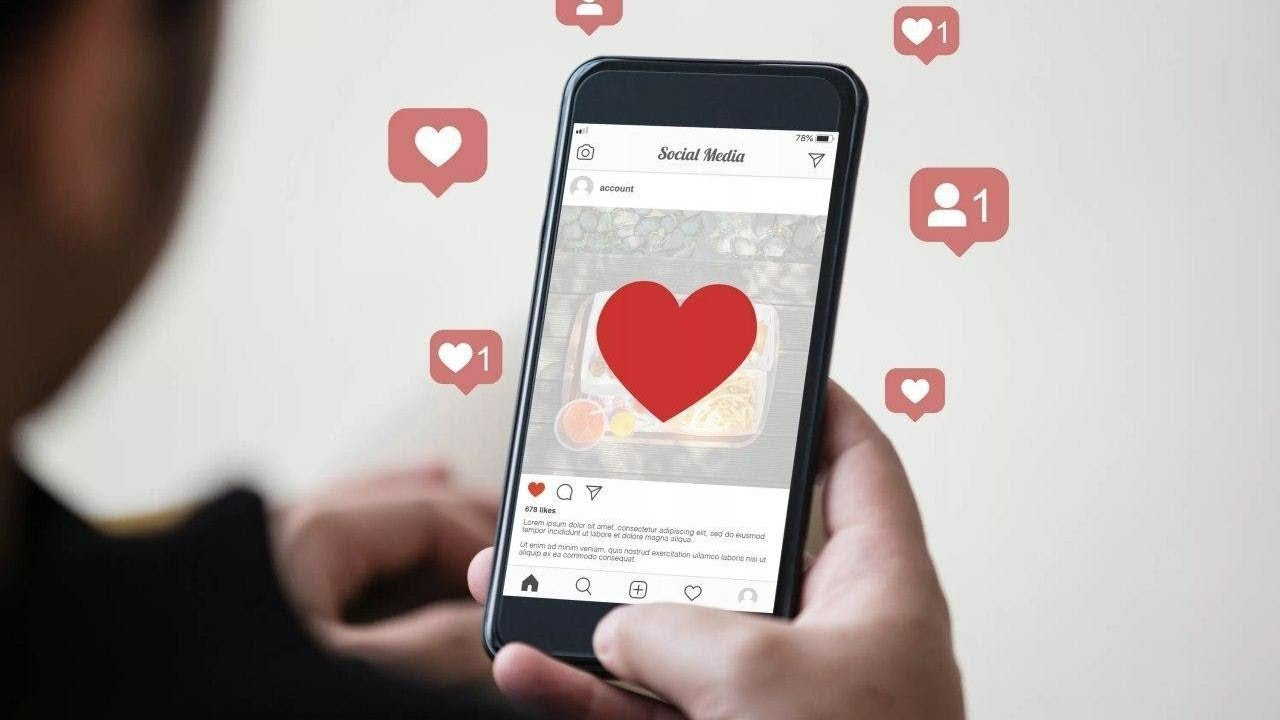
Most of us spend a significant portion of our lives online. We like posts, leave comments, repost news, and rarely think about the consequences. In Dubai, however, certain online activities can lead to severe penalties. The UAE's cybercrime legislation is among the strictest in the world.
Imagine receiving a funny private chat and forwarding it to someone else. Or reacting to an offensive emoji with a laugh. In some circumstances, such actions may result in substantial fines. Certain gestures, symbols, or messages may be interpreted as insults under local law.
Authorities also pay close attention to the publication of photos and videos related to accidents, emergencies, government buildings, and diplomatic facilities. Recording and sharing such content may lead to criminal penalties, including imprisonment and deportation.
What surprises many visitors is that liability may not be limited to the original publisher. Reposting, sharing, or amplifying prohibited content can also attract legal consequences. The safest rule is simple: avoid posting sensitive content, avoid discussing politics or religion online, and be cautious about sharing any material whose legality you are unsure about.
Public Behavior: Affection, Alcohol, and Etiquette
At first glance, Dubai appears highly modern. You will see international fashion, luxury nightlife, and people from every corner of the world. Yet public behavior is still governed by local cultural expectations.
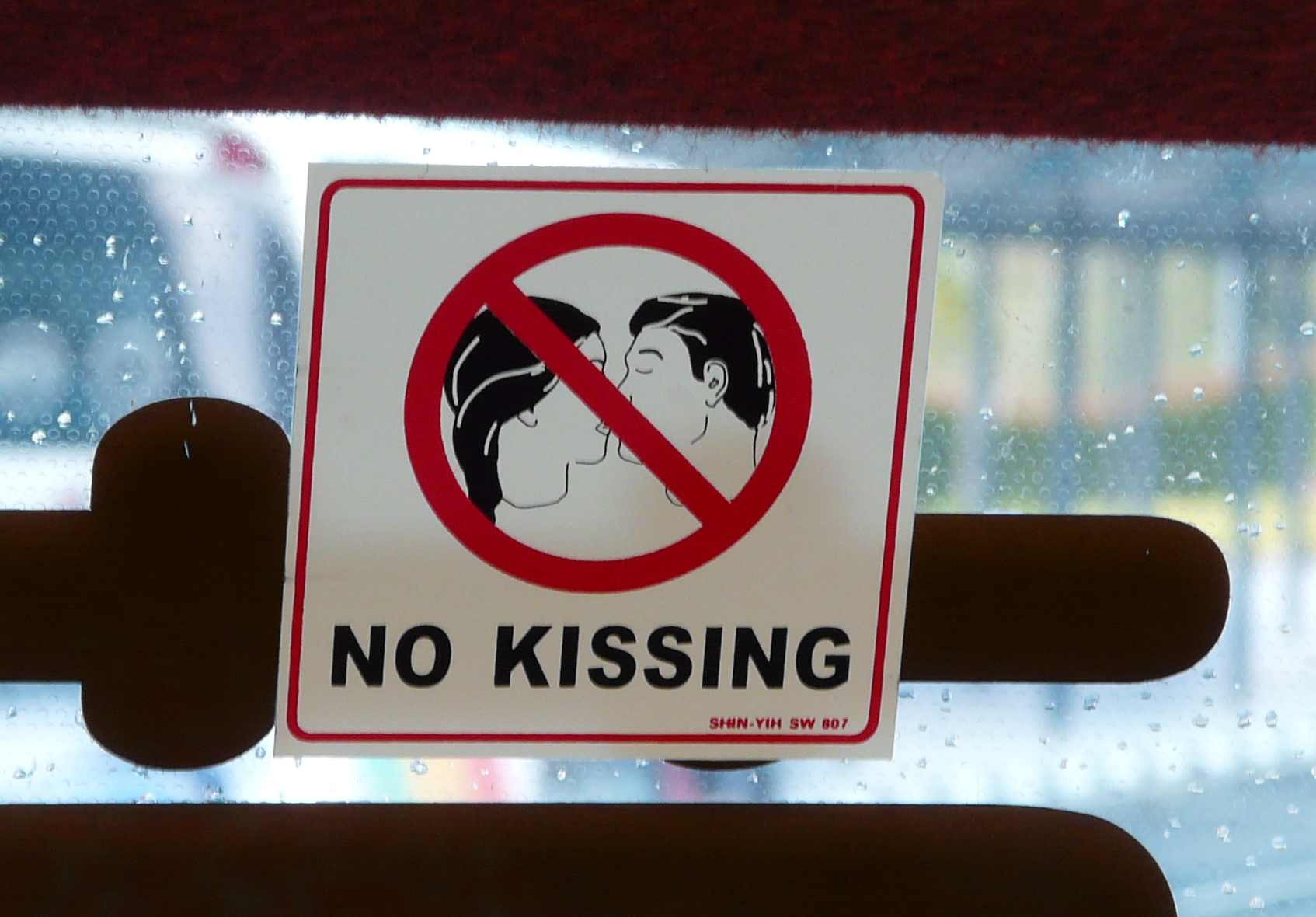
Public displays of affection can sometimes attract unwanted attention. While holding hands is increasingly common among married couples, more intimate behavior such as kissing or prolonged embracing in public may lead to complaints and, in some cases, police involvement.
Alcohol is another area where visitors should be careful. Drinking is generally permitted only in licensed venues such as hotels, bars, and restaurants. Being visibly intoxicated in public or carrying alcoholic drinks outside approved locations can result in penalties. Tourists may legally purchase alcohol under certain conditions, but this does not permit drinking wherever they choose.
Special consideration is required during the holy month of Ramadan. During daylight hours, eating, drinking, smoking, or chewing gum in public may be restricted or considered disrespectful. Visitors are expected to show sensitivity to local customs throughout this period.
Some regulations are less obvious. Leaving a vehicle excessively dirty for an extended period may result in fines, as authorities consider abandoned or neglected cars detrimental to the city’s appearance. Jaywalking can also be heavily penalized, particularly on major roads and highways.
Drugs, CBD Products, and Everyday Items
When it comes to drugs, the UAE follows a strict zero-tolerance policy. Even trace amounts of prohibited substances can result in criminal charges. Possession, use, and trafficking offenses carry severe penalties.
What catches some travelers off guard is that products considered harmless elsewhere may create legal problems in Dubai. Certain CBD-based products, cannabis-derived cosmetics, and some vaping liquids may be restricted or prohibited. Travelers should carefully check the ingredients of medications, skincare products, and electronic cigarette liquids before entering the country.
Although UAE regulations regarding some medical cannabis-related products have evolved in recent years, personal recreational use remains strictly prohibited. Visitors should never assume that because a product is legal in their home country, it is automatically legal in the UAE.

When Charity Can Become a Problem
One of Dubai’s lesser-known rules concerns charitable fundraising. In the UAE, charitable activities are heavily regulated and generally require official authorization.
Organizing online fundraising campaigns, collecting donations through social media, or even promoting unlicensed fundraising efforts may lead to legal consequences. Authorities argue that licensing requirements protect donors from fraud and ensure that funds reach legitimate recipients.
For foreigners, the practical lesson is simple: if you wish to donate or support a cause, use officially registered charitable organizations rather than informal fundraising campaigns.

Photography and Privacy Rules
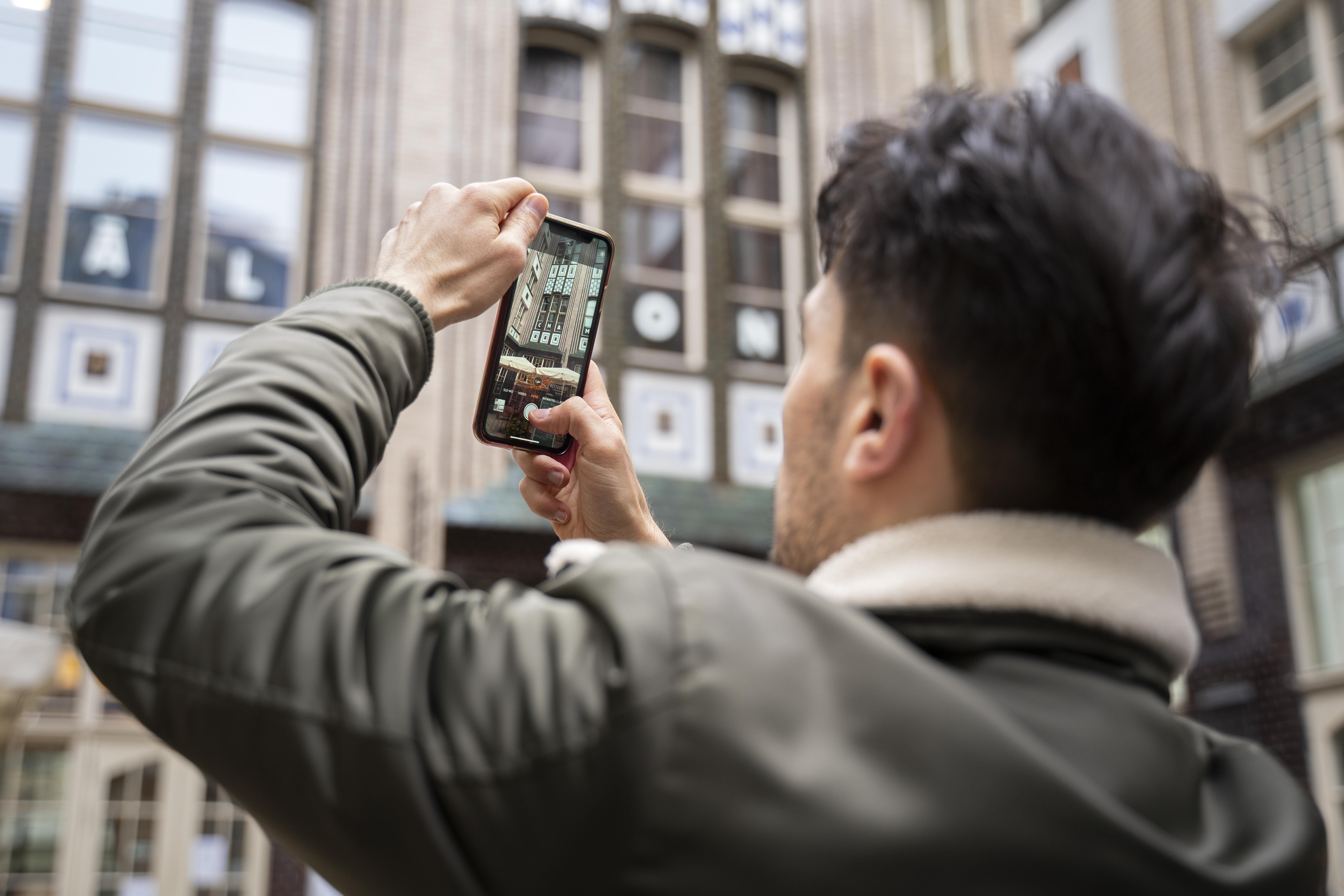
In the smartphone era, many people instinctively photograph everything around them. In Dubai, however, photography requires greater caution. Certain locations are strictly off-limits for photography, including government buildings, military facilities, airports, and diplomatic premises.
Photographing accident scenes, emergency situations, or security-related incidents may also lead to legal problems, particularly if images are shared online. Authorities actively monitor social media and may investigate violations.
Privacy is taken very seriously. Taking photographs of individuals without their consent and publishing those images can result in substantial penalties. Even well-intentioned travel photography can create legal issues if people are identifiable and have not agreed to be photographed.
There are even restrictions affecting aviation enthusiasts. Photographing aircraft near sensitive areas or monitoring activity around protected zones may attract unwanted scrutiny and, in extreme cases, allegations related to security concerns.
Financial Pitfalls: Unpaid Bills Can Become Serious Matters
In many countries, forgetting to pay a restaurant bill may result in little more than an awkward conversation. In Dubai, deliberately failing to pay for goods or services can have far more serious consequences.
An honest mistake that is corrected immediately is unlikely to become a major issue. However, intentional non-payment at restaurants, hotels, fuel stations, or other businesses may be treated as a criminal matter. Courts may require debts to be settled before certain legal restrictions are lifted, and financial penalties can be significant.
The lesson is straightforward: always verify that all bills have been paid, especially when checking out of hotels, returning rental vehicles, or settling larger purchases.

Respect, Not Fear, Is the Key to Enjoying Dubai
After reading about these rules, it may be tempting to imagine Dubai as a place where police wait around every corner. The reality is quite different. Millions of tourists and expatriates live in the UAE without encountering legal problems because they understand the rules and respect them.
Dubai remains one of the most fascinating cities in the world—a place where innovation and tradition coexist in remarkable harmony. That harmony depends on respect for local laws, customs, and cultural values. Visitors do not need to abandon their own identity or beliefs. They simply need to remember that they are guests and act accordingly.